Kick Off 2026 with Purpose: Your Charitable Giving Checklist

Here are three thoughtful actions that can bring clarity and confidence to your giving at the beginning of the year.
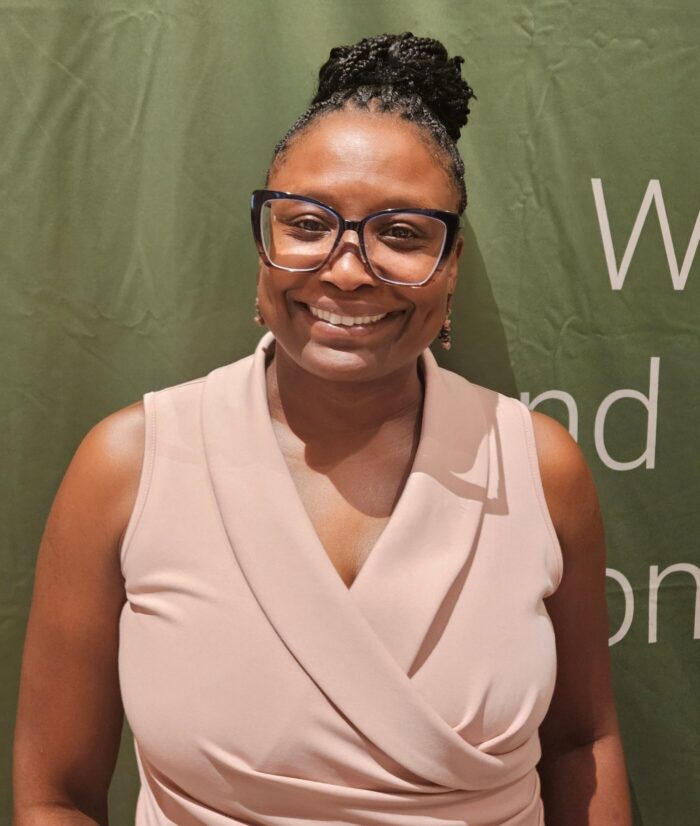
By Aurea Gerard, Director of Philanthropic Advising
You, like many people, may approach a new year with a genuine desire to be more intentional about your charitable giving.
We know you want to make a difference, align your generosity with your values and perhaps even involve your families — but you may be unsure where to begin. The combination of busy lives, changing tax laws and an ever-growing number of worthy causes can make getting started feel overwhelming.
The good news is that taking a few simple, thoughtful actions at the beginning of the year can bring clarity and confidence to your giving.
Here are three first steps to inspire you:
Here are three first steps to inspire you:
Review Your 2025 Charitable Contributions
Looking back at last year’s giving can be surprisingly helpful, especially when guided by your philanthropic advisor who understands both philanthropy and the local community. A community foundation such as the Saint Paul & Minnesota Foundation can help you see the real-world impact of your gifts, identify patterns in your giving, and highlight opportunities you may not have considered.
This review also creates a natural bridge to planning your 2026 support, whether that means refining your focus, adjusting gift amounts, or exploring new charitable giving vehicles.
Just as importantly, it allows you to begin thinking strategically about future years, helping ensure that your generosity grows in a way that is both meaningful and sustainable.
Talk With Your Tax Advisors About How the New Tax Laws May Impact You
Charitable giving is closely connected to tax and estate planning, and early conversations can help you make informed decisions before the year gets too far along.
This is also an ideal time to revisit your estate plan and beneficiary designations. Many donors choose to include a gift to their donor advised or another type of fund in your will, trust or beneficiary designation on retirement accounts or life insurance policies.
Coordinating these updates with your tax advisor and the Foundation can ensure your charitable intentions are clearly documented, tax-efficient and aligned with your overall financial and estate planning goals.
Set Goals for Your Charitable Involvement in 2026
Goal-setting allows you to be proactive and intentional about how you engage with the causes you care about.
The Foundation can help you explore new and emerging nonprofits, learn more about pressing needs in the community, and connect with organizations that align with your interests.
Together, you and our team can create a plan for timing gifts throughout the year. It can be through recurring contributions, single large gifts early in the year to help a favorite nonprofit leap ahead or strategic gifts of highly appreciated or non-cash assets. This approach not only makes giving more manageable but also helps ensure your generosity has the greatest possible impact.
As you look ahead, remember that you do not have to navigate charitable planning on your own. We are here to serve as a trusted partner — whether you are just getting started, refining an existing plan or thinking about the legacy you want to leave for future generations.
I invite you to contact your philanthropic advisor to ask questions, explore ideas or take the next step in your giving journey. We are honored to help you turn your charitable giving intentions into meaningful, lasting impact.
The Saint Paul & Minnesota Foundation does not provide tax, legal or accounting advice. Please consult your own tax, legal and accounting advisors regarding your individual situation before engaging in any transaction.
As Director of Philanthropic Advising, Aurea Gerard is responsible for leading the Foundation's dynamic team of philanthropic advisors. In her role, Aurea partners with donors to help them reach their philanthropic goals and deepen their engagement with the Foundation.
Aurea joined the Saint Paul & Minnesota Foundation in 2012 and brought with her a wealth of experience in the nonprofit sector. Aurea studied at the University of Saint Thomas and holds an associate's degree and a bachelor's degree in business administration and metaphysical science. She also holds a master’s degree in metaphysical science.
More Stories

Important Year-End Giving Dates for Donors
As you make plans for your 2025 year-end fund contributions and grant recommendations, please keep in mind these important dates.
Learn More
2025: Bold Change, Bigger Impact
2025 ignited transformation — new strategies, grant and investment opportunities and a dynamic, new President & CEO, Chanda Smith Baker.
View Our 2025 Year In Review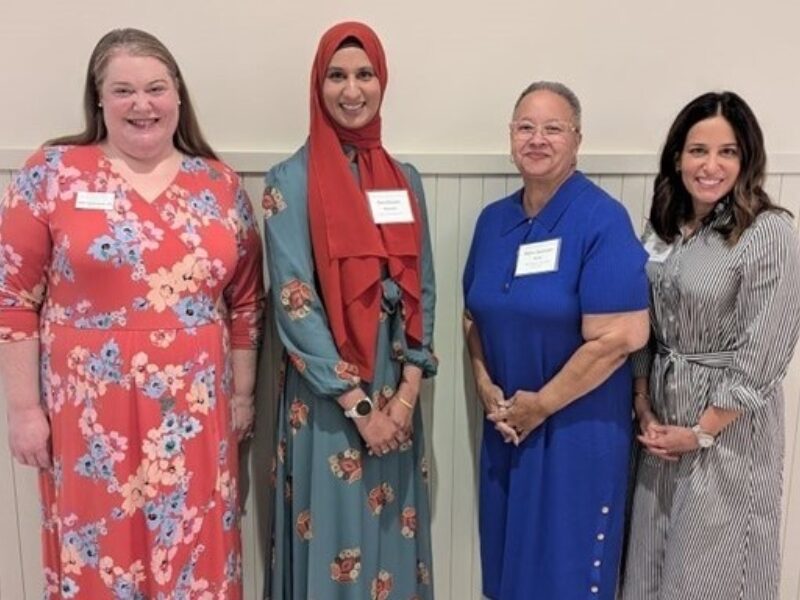
Women of Faith in Philanthropy — Legacy, Leadership and the Future
A panel event showcased how women of faith are poised to shape and enrich the philanthropic landscape, as they have for generations.
See the impact
Strengthening Democracy: Community Voices and Civic Engagement in Minnesota
Here’s how philanthropy, local leadership and trusted news can shape Minnesota’s democratic future.
See the Highlights
Is a Donor Advised Fund with a Community Foundation Right for You?
Answers to the following five questions will determine if a donor advised fund may be right for you.
Find out more
Donating Stock to Support Your Favorite Charities
Did you know that donating stock can grow your charitable impact and support your favorite nonprofit organizations?
See How
Investing in the Future: Supporting Nonprofit Sustainability and Capacity Building
Investing in nonprofit sustainability is one of the most generous and strategic choices a donor can make.
Read part four
Inspiring Generosity in the Arts
At a recent Giving+Together event, art leaders addressed the economic and cultural benefits of the arts in our lives.
See the Highlights